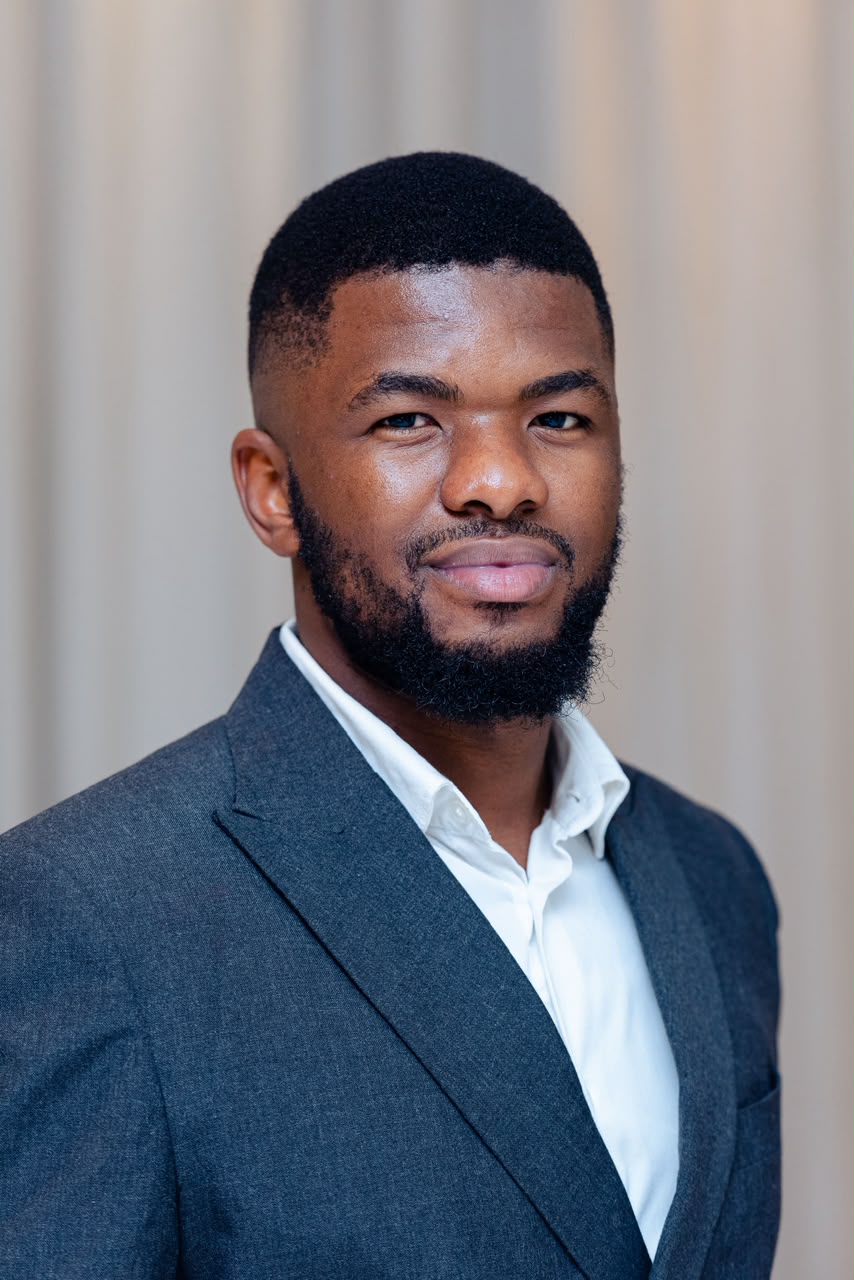

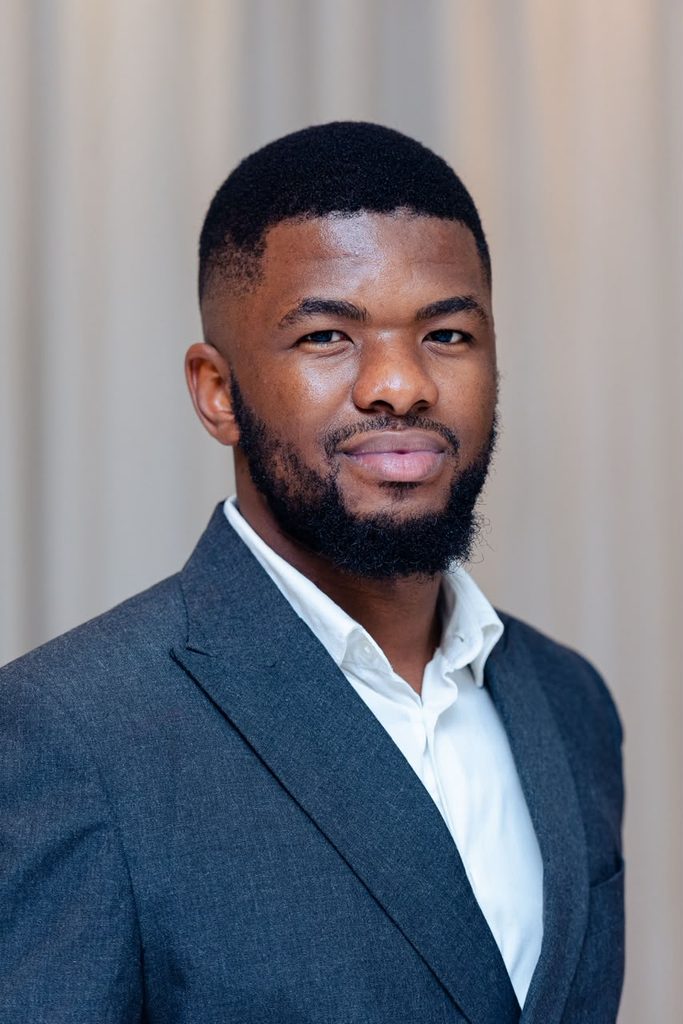
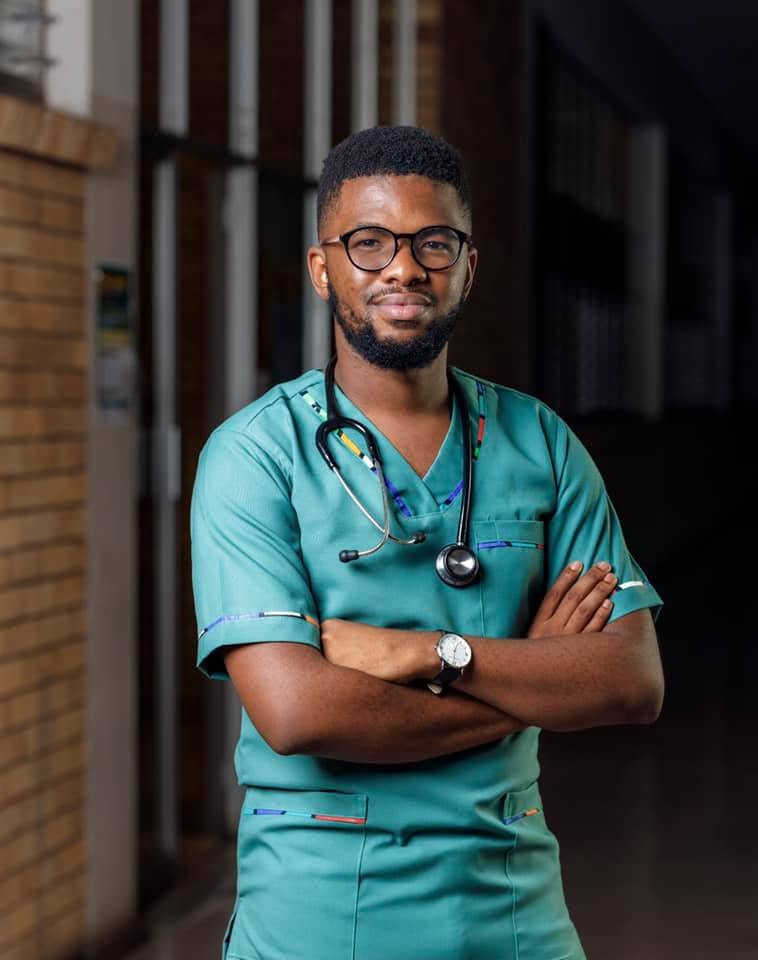
In recognition of World Mental Health Day 2026, we had a deep, insightful and thought-provoking conversation with Dr. Bonginkosi Mafuze, who shares expert perspectives on mental health awareness, the realities of accessing psychiatric care in South Africa, and the importance of creating spaces where people with lived experiences are heard, understood and supported.
Aligned with this year’s theme, “Lived experiences heard: real voices, real change,” the conversation explores the urgent need to challenge mental health stigma, recognise the warning signs of emotional distress, and encourage people to seek professional help without fear of judgement.
The 2026 World Mental Health Day theme is “Lived experiences heard: real voices, real change.” What does this theme mean to you, particularly in the South African context?
To me it means moving people with lived experience from the edge of the conversation to the centre. Too often mental health is talked about people in boardrooms and journals, while the person living with depression, psychosis or addiction is silent. In South Africa this matters even more. Many people carry trauma, poverty, violence and loss, and they explain distress in their own cultural and spiritual language. If we don’t hear their real voices, we design services that look good on paper but don’t reach people in KwaMashu, Umlazi or rural Nongoma.
Why is it important for people living with mental health conditions to have a voice in shaping mental health policies and services?
People living with a condition are the real experts on what helps and what harms. They know whether a clinic is reachable, whether staff are respectful, whether medication side effects make it impossible to work, and what stops them from returning. Policies made without that input often fail quietly through missed appointments, relapse and readmission. When people are involved, services become more practical, more humane and better used. There’s also a dignity element: “nothing about us without us.” Being heard is part of recovery.
Are we genuinely listening to people with lived experience, or are mental health systems still largely designed for people rather than with them?
Honestly, we are listening more than before, but not enough. Most systems are still designed for people, not with them. Consultation is often a box-ticking exercise after decisions are already made. The Life Esidimeni tragedy painfully showed what happens when families raise concerns and aren’t heard. There are good signs, like peer support groups, advocacy by organisations such as SADAG, and service users speaking openly. But real partnership means paid peer workers, service users on hospital boards and in policy teams, and acting on feedback, not just collecting it.
What can healthcare professionals learn from patients and families that cannot necessarily be learned from textbooks, clinical guidelines or statistics?
Textbooks teach symptoms. Patients teach what those symptoms cost: the lost job, the shame at church, the child who stops visiting. Families teach us the early signs we might miss in a 15-minute consultation, and the burden of caring around the clock. Patients also teach us about meaning. Some understand their illness through ancestors, faith or culture, and if we dismiss that, we lose them. Above all, they teach humility. Recovery doesn’t always look like the guideline says, and resilience often comes from places no statistic captures.
Mental health stigma remains a major barrier to people seeking help. What are some of the most damaging misconceptions about mental illness that you would like the public to challenge?
• “Mental illness is weakness or laziness.” It is a health condition, like diabetes or hypertension.
• “People with mental illness are dangerous.” They are far more likely to be victims of violence than perpetrators.
• “Real men don’t cry or talk about feelings.” This belief is costing men their lives.
• “It’s just witchcraft or a curse, so medicine won’t help.” Culture and faith matter, but they can work alongside treatment, not instead of it.
• “Once you’re on treatment, you’re on it forever and you’ll never recover.” Many people recover and live full lives.
• “Children and teenagers don’t get depressed.” They do, and early help changes outcomes.
For someone who is struggling but does not identify their experience as a mental health problem, what warning signs should they and those around them look out for?
Warning signs to look out for:
Look for change from how the person usually is, lasting more than two weeks:
• Withdrawing from friends, family, church or sport
• Sleeping much more or much less; changes in appetite
• Constant tiredness, irritability, anger or tearfulness
• Losing interest in things they used to enjoy
• Drinking more or using drugs to cope
• Falling behind at work or school
• Unexplained headaches, body pains or stomach problems
• Talking about being a burden, hopelessness, or not wanting to be here
That last one is an emergency. Ask directly and get help immediately.
What should a person do if they recognise that they need help but cannot afford private psychological or psychiatric care?
Help is available and free in the public sector. Start at your local clinic or community health centre and say clearly that you’re struggling emotionally. They can assess you, start treatment and refer you to a psychologist or psychiatrist at a district or regional hospital. You can also contact SADAG (suicide crisis line 0800 567 567) or Lifeline (0861 322 322) for free counselling and referrals. Universities with psychology training clinics often offer low-cost therapy. NGOs, faith-based groups and support groups can help too. In a crisis, go to the nearest hospital emergency unit.
Do you believe South Africa has enough mental-health resources, particularly in public healthcare? Where are the biggest gaps?
No, we don’t have enough, especially in the public sector. Mental health gets a small share of the health budget compared to the burden of disease, and most people who need care never receive it. The biggest gaps are:
• Too few psychiatrists, psychologists, social workers and psychiatric nurses, especially in rural areas
• Very limited child and adolescent services
• Shortage of beds and long waits for admission
• Weak community-based care, so people are discharged with nowhere to go
• Few dedicated substance-use services
• Mental health still not fully integrated into primary care
Young people are facing increasing pressures from social media, academic expectations, unemployment, bullying and uncertainty about the future. What concerns you most about youth mental health?
What worries me most is hopelessness. Social media pressure, bullying and academic stress are real, but when you add high youth unemployment, many young people feel they have no future. That’s when we see depression, substance use, self-harm and suicide. Many young people suffer in silence because they fear being judged, or adults dismiss them with “you’re just being dramatic.” We need mental health support in schools, safer online spaces, and adults who listen without lecturing.
What would you say to someone who has had a negative experience with the mental healthcare system and is now reluctant to seek help again?
First, I’m sorry. What happened to you matters, and your reluctance makes complete sense. But please don’t let one bad experience decide your whole future. One clinic, one nurse or one doctor is not the whole system. Try again, and if possible take someone you trust with you. You have the right to ask questions, request a different clinician and lodge a complaint. If formal care still feels too hard right now, start with a helpline or support group. Your wellbeing is worth a second try.
If you could change one thing about the way South Africans understand and respond to mental health, what would it be?
One thing I would change:
I would want South Africans to treat mental health as ordinary health. That means asking “How are you really?” and actually waiting for the answer. It means a person saying “I’m seeing someone for depression” being met with the same support as someone who says “I’m being treated for high blood pressure.” If we can make talking about mental health as normal as talking about the weather or soccer, people will seek help earlier, and lives will be saved. In the spirit of ubuntu, we heal together.
Dr. B Mafuze offers expert psychiatric care and evidence-based therapy to help you navigate life’s challenges with resilience and clarity. Together, we’ll build personal insight, emotional well-being, and the steps needed for lasting change — at a pace that feels right for you.
ENDS