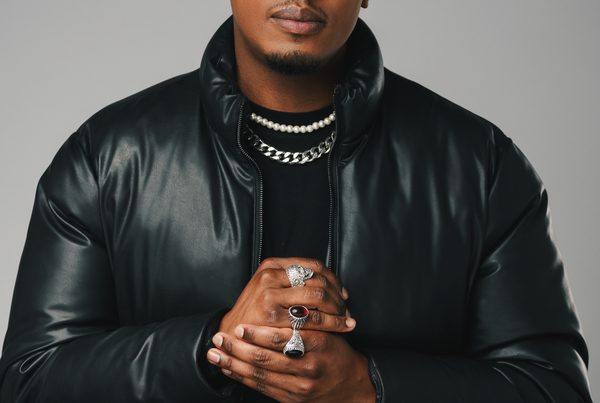
October is globally recognised as Mental Health Awareness Month, a time dedicated to raising awareness, reducing stigma, and promoting the importance of mental well-being. As The Sound of KZN, Gagasi FM spoke to Dr. Nkululeko Benedict Mhlongo, affectionately known as Dr. Better, a dedicated Counselling Psychologist with over five years of experience supporting mental health and emotional well-being.
A proud graduate of the University of the Witwatersrand, Dr. Better is deeply passionate about working with learners, educators, and families to create safe and empowering spaces for personal growth and healing. His approach blends compassion and practicality, making psychological support more accessible, especially within school and community environments.
In this World Mental Health Month awareness interview, Dr. Better unpacks key insights around understanding mental health disorders, recognising early signs, and fostering a culture of care and empathy in everyday life.
Through this conversation, Gagasi FM continues its commitment to amplifying conversations that matter — encouraging listeners and communities to prioritise their mental wellness and support one another on the journey to healing.
What does World Mental Health Day mean to you, and why is it such an important day for South Africans?
World Mental Health Month is a reminder that mental health is not a luxury, it’s a necessity. It’s a day to intentionally shift mental health from the shadows and bring it into the light. For South Africans, it’s a day to pause and acknowledge the silent battles so many of us face. Our country carries generations of trauma, inequality, and loss, yet we often wear strength as armour. This month invites us to soften that armour; to speak, to listen, and to heal together. It’s not just about awareness; it’s about action, compassion, and restoring hope.

Many people still struggle to talk about mental health. Why do you think the stigma is still so strong, especially in our communities?
The stigma lingers because, for a long time, vulnerability has been seen as a weakness especially in African and working-class communities. We were taught to “pray it away,” to “be strong,” or to “just get over it.” These messages silenced generations. But the truth is, acknowledging your pain is not weakness, it’s power. We’re unlearning shame, one conversation at a time. In many communities, there is a strong tendency to attribute mental illness to spiritual causes, like being bewitched or ancestral callings. This framing often removes the condition from a medical context and attaches a sense of fear, shame, or supernatural punishment, which makes people terrified of seeking clinical help or even discussing it.
What are some of the biggest mental health challenges that South Africans —particularly young people — are facing right now?
Young people are carrying a lot: unemployment, identity crises, social media comparison, family pressure, and a constant sense of uncertainty. Many feel like they’re running a race with no finish line. Anxiety and depression are on the rise, but so are feelings of disconnection and loneliness. There is a high level of exposure to community violence, gender-based violence, and child maltreatment meaning that many young people are living with unaddressed Post-Traumatic Stress Disorder (PTSD) and trauma-related anxiety. Yet, I also see resilience — a hunger for healing and authenticity that gives me so much hope.
How does our social and economic environment (unemployment, social media pressure, trauma, etc.) affect our mental health?
You can’t separate mental health from the social and economic realities we live in. Poverty, violence, and unemployment breed hopelessness and stress. Social media creates a toxic environment of comparison. They are constantly comparing their raw reality to the filtered, curated “highlight reels” of others, which intensifies feelings of inadequacy, low self-esteem, and social anxiety. Trauma, both historical and personal, becomes part of our emotional DNA. We need to treat mental health not as an isolated issue, but as something deeply connected to the world we live in.
We often hear terms like anxiety, depression, and burnout — how can people tell when it’s time to seek professional help?
When your emotions begin to interrupt your daily life; your sleep, your work, your relationships — that’s a signal. If you find yourself constantly exhausted, easily irritated, or feeling numb, it’s time to reach out. You don’t have to wait until you’re at breaking point. Therapy is not just for crisis, it’s for maintenance, understanding, and growth.
What are some of the myths or misconceptions about mental health that you wish people would let go of?
That “real men don’t cry.” That “mental illness is a sign of weakness.” That “therapy is for white people.” That you will “snap out of it.” These are lies that keep us in chains. Healing is universal, it’s not about gender, culture, or background. And sometimes, it’s not about “curing” anything; it’s about learning to live, feel, and thrive again.
Are there any small daily practices you recommend protecting or strengthen our mental well-being?
Yes! Start with stillness, even five minutes of mindful breathing can ground you. Move your body; dance, walk, stretch. Journal your thoughts or voice-note them to yourself. Limit your doom-scrolling. Speak kindly to yourself; your inner voice sets the tone for your day. Healing happens in small, consistent moments. Try to connect with one trusted person every day. Most importantly, take a moment each day to note five things you are genuinely grateful for. This shifts your focus from what’s lacking to what is good in your life.
What role can workplaces, schools, and communities play in making mental health support more accessible?
We need safe spaces everywhere, not just in clinics. Workplaces can implement Employee Wellness Programmes (EWP) that offer confidential, free counselling services. They should also train managers to recognize signs of burnout and foster a culture where taking a mental health day is acceptable.
Schools can include emotional literacy in the curriculum. They must ensure that on-campus counselling is well-funded, easily accessible, and free of charge. Communities can create peer-support groups or workshops. Access doesn’t only mean affordability, it also means acceptance. People must feel seen, safe, and supported.
For someone reading who feels overwhelmed right now — what’s the first step they can take today to get help?
Take one small step at a time, reach out. Whether it’s a friend, a teacher, a faith leader, or a professional, say the words: “I need support.” You don’t have to have all the answers, you just need to begin. Healing starts the moment you allow yourself to be heard.
What message would you like to share with our listeners this World Mental Health Month?
You are not your trauma. You are not your mistakes. You are a story still being written. Healing is possible and you deserve it. Let’s build a culture where mental health is treated with the same care as physical health. Where being “okay” isn’t the goal, being authentic is.
How can people connect with you or learn more about your work?
You can connect with me, Dr. Benedict Mhlongo; or as most people know me, Dr. Better; through my social media pages where I share insights on mental health and healing. You can also visit my practice, Azania Psychology, or tune into my media features and community workshops. Together, we can rewrite the story of mental wellness in South Africa