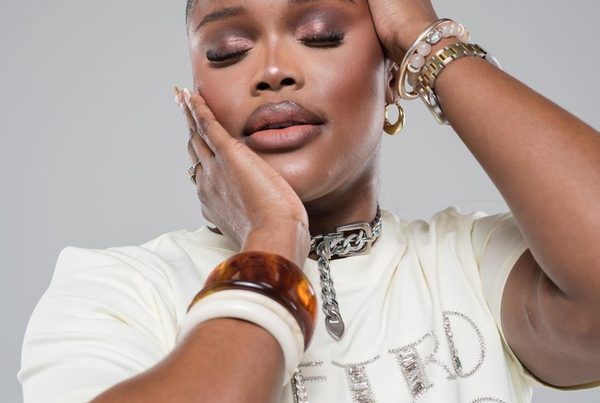
Television personality, producer, and entrepreneur Minnie Dlamini has taken a significant step in the legal arena to address what she describes as the ongoing normalization of harassment and gender-based discrimination in the South African media and entertainment industries.
According to a report by Sunday World, Dlamini has filed a R2.5 million lawsuit in the Equality Court against two controversial social media figures. The lawsuit accuses them of serious offenses, including harassment, gender-based discrimination, and hate speech. These allegations stem from defamatory and degrading comments made about Dlamini’s body during a public podcast episode that gained widespread attention earlier this year.
The claim, which is being hailed by many as a precedent-setting stand for digital dignity, states that Dlamini is seeking:
- R1 million in damages to be paid directly to her; and
- R1.5 million to be paid to Women For Change, an advocacy organisation focused on fighting gender-based violence in South Africa.
Speaking out on the matter, Dlamini delivered a poignant and deeply personal reflection on the emotional toll of the remarks made about her:
“To have my genitals made to be a topic of national discussion is already extremely demeaning to me and to women generally. But the joke that I might have poor genital hygiene is utterly humiliating and degrading.”
Her words underscore a larger issue: the weaponisation of women’s bodies for entertainment, virality, and shock value — often without consequence for those who instigate the damage.
Dlamini also criticised the lack of genuine accountability from one of the defendants, who allegedly failed to fully acknowledge the harm of his statements:
“Mr Mukwevho takes no accountability for the devastating effects of his words on me and on society. He does not even acknowledge that it was objectively offensive – only that some people ‘might have been offended’, as though there should not be universal revulsion at his remarks.”
Legal experts are watching the case closely, with some noting that if Dlamini wins, it could set a significant legal precedent for how online harassment and gender-based hate speech are handled in the Equality Court. It would also be a strong symbolic victory for South African women who are frequently targets of misogynistic content online.
This moment is not just about Minnie Dlamini. It is about the broader fight against systemic digital misogyny and the unchecked normalisation of hate speech under the guise of entertainment or free speech. Her decision to donate a significant portion of the damages to Women for Change sends a clear message: this fight is collective.
In a digital age where viral content often thrives at the expense of women’s dignity, Dlamini’s legal move is being applauded by media commentators, gender rights activists, and public figures who believe enough is enough.