By: Zilunguikle Mkhize
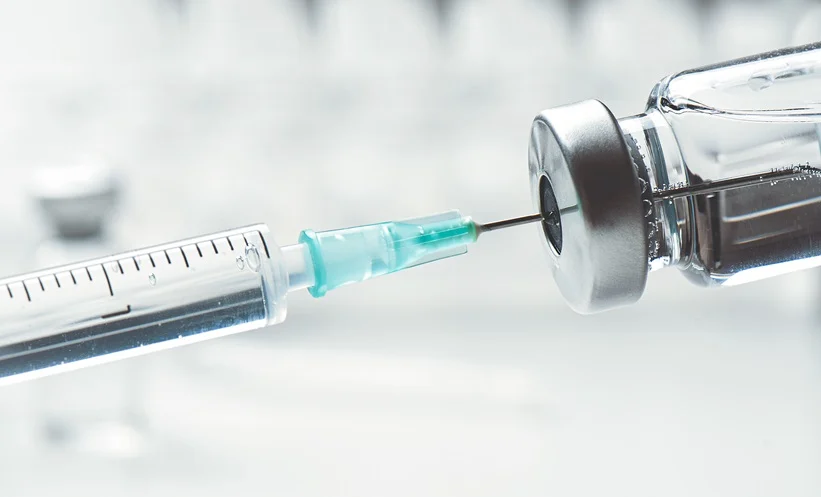
South Africa is exploring the local manufacture of the long-acting HIV prevention drug lenacapavir, a breakthrough injectable antiretroviral administered twice a year.
Clinical trials have shown the drug to be almost 100% effective at preventing HIV infection when administered every six months as prescribed, making it one of the most promising new tools in global HIV prevention.
The South African government is working with global health partners, including Unitaid and the United States Pharmacopoeia, to identify a suitable local pharmaceutical manufacturer capable of producing the medication to international quality standards.
The initiative forms part of a broader effort to expand access to long-acting HIV prevention tools in regions hardest hit by the epidemic. Developed by Gilead Sciences, lenacapavir has been widely described by health experts as a potential game-changer in efforts to reduce new infections.
Unlike traditional oral pre-exposure prophylaxis (PrEP), which requires daily pills, lenacapavir provides protection for six months with a single injection, helping overcome adherence challenges that have limited the effectiveness of daily medication for some people.
The government has issued a call for expressions of interest to identify South African companies capable of producing the drug locally. If approved, the selected manufacturer could receive a voluntary licence from Gilead, potentially becoming one of a limited number of manufacturers authorised to produce the medicine for low- and middle-income countries.
In 2024, Gilead granted licences to manufacturers in countries including India, Pakistan and Egypt to supply generic versions of the drug to more than 120 countries. However, no South African companies were included at the time, prompting calls for greater regional production capacity.