Every November, Disability Rights Awareness Month arrives on the calendar. Most of the time, it passes with a few polite posts online, a couple of corporate memos, and very little change in how people actually treat one another in the street.
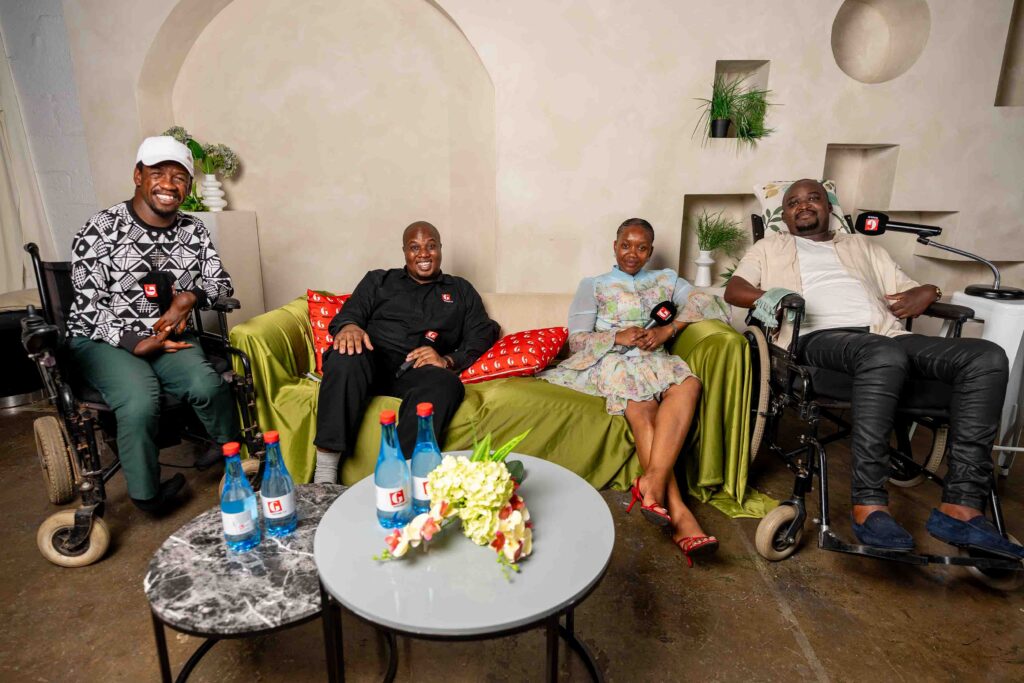
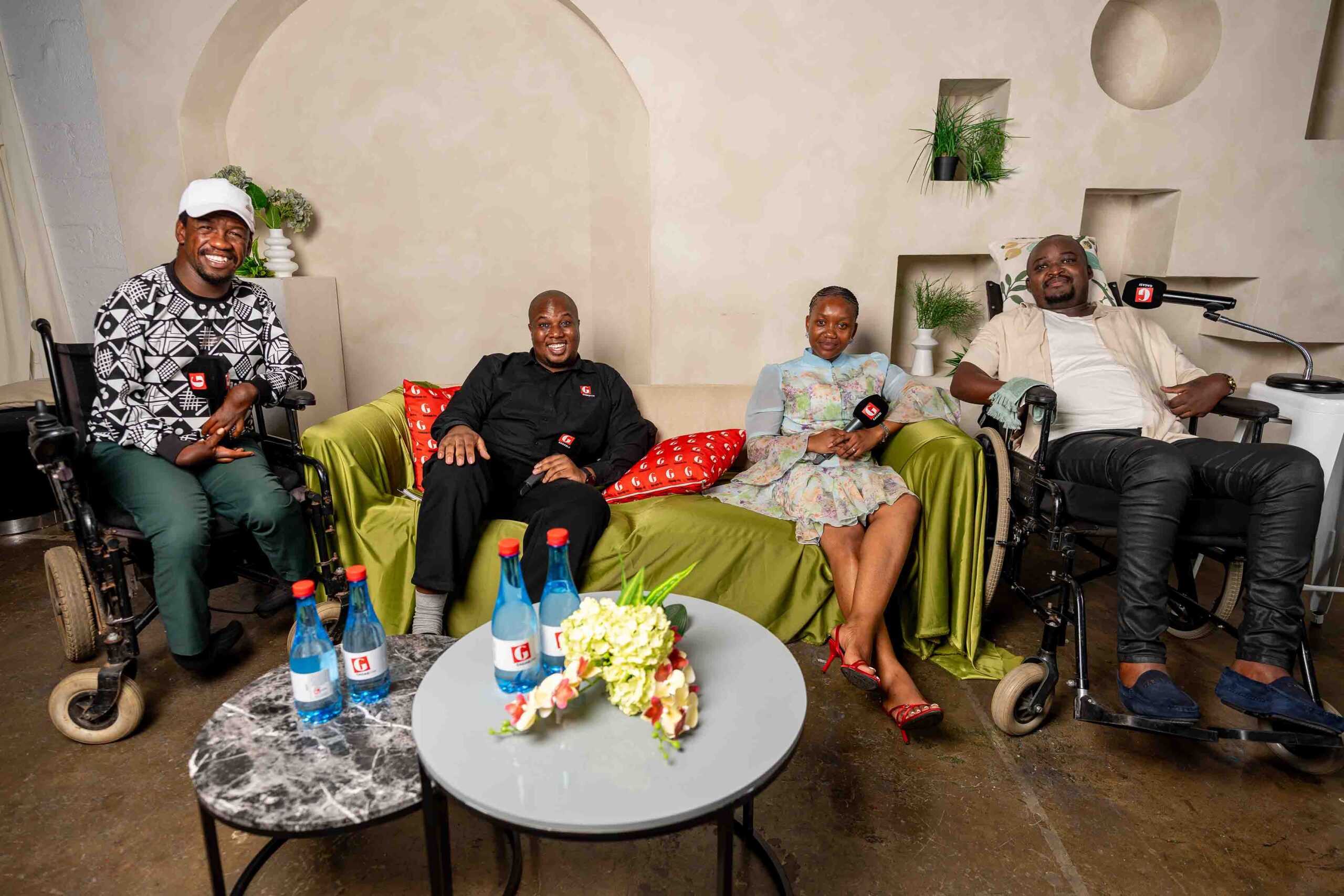
That kind of surface talk was nowhere in sight during a recent episode of Gagasi FM Conversations. Guests Siphosethu Ndlovu, Sithandiwe Zungu, and Bab’ Khuzwayo sat down to have an honest discussion most people avoid.
Their message to South Africans was straightforward. Stop looking at the medical aid card or the condition, and start seeing the person sitting in front of you.
Getting Past the Awkward Stage
Anyone who has watched how able-bodied people react around someone with a disability knows the awkward freeze. Suddenly, people forget how to hold a normal conversation. They whisper like they are at a funeral or talk way too loudly, stepping around the person as if they might break. Our guests made it plain from the start that they do not want anyone’s sympathy. Pity has never helped a single person get through a tough day.
Living with a disability is not a sad story made for television. It is simply part of ordinary life, with a few practical adjustments along the way. People often lower their expectations the moment they spot a physical difference, assuming someone cannot keep up at school or at work. Siphosethu Ndlovu is walking proof that those assumptions are wrong. As a multi-graduate, an award-winning storyteller, and a current Master’s student, his academic record and storytelling work do all the talking. He did not wait around for the world to stop underestimating him. He kept his head down, did the work, and let his achievements answer the doubters.
Love Without Charity
Nowhere are society’s bad habits clearer than in how strangers react to couples where one partner has a disability. Sithandiwe Zungu and her partner, Bab’ Khuzwayo, gave listeners an honest look inside their relationship, and they did not hold back on how nosy outsiders can be. People stare. Some feel bold enough to drop rude, invasive comments about how their relationship works or why they are together.
Sithandiwe and Bab’ Khuzwayo made a choice to block out that noise and focus on building a life together. In their home, love has nothing to do with charity. Nobody is playing the hero, and nobody is looking for a medal. Marriage and long-term relationships take hard work from any two people, regardless of their bodies. Their bond stands on mutual respect, patience, and showing up for each other every day. When outsiders suggest that caring for Bab’ Khuzwayo must feel like heavy duty, Sithandiwe brushes it off. Supporting her partner is not a job to her. It is simply what you do when you love someone and share a life with them.
Talking Plainly About Medical Tools
A big reason people feel so uncomfortable around disability is pure silence. In most families and social circles, nobody wants to mention the physical realities of daily care. Topics like stoma bags and everyday medical equipment are often treated like shameful secrets that belong behind closed doors. The panel refused to tiptoe around those subjects.
As they pointed out, a stoma bag or a medical device is just a tool. It is no stranger than putting on a pair of glasses so you can read a menu or see road signs clearly at night. You do not stare at someone wearing spectacles or treat their glasses like a tragedy. Keeping medical necessities hidden in the dark only feeds ignorance and makes everyone tense. When we talk about these tools openly, the awkwardness goes away and people stop treating them like a taboo.
Accept Yourself First
The conversation closed with a direct word to anyone living with a disability who feels discouraged, tired of the stares, or hesitant to chase what they want. Waiting for society to finally treat you fairly or hand you permission to dream will leave you waiting forever. Siphosethu made a point that stuck with everyone in the room. You have to accept yourself long before you expect the rest of the world to see your worth.
That self-belief is what keeps you moving when doors stay shut. The guests urged listeners in similar shoes to find people who genuinely support them and stay focused on their goals. You have every right to study, date, and build a life in your community without apologizing for how your body works. Real inclusion does not come from a policy document or a once-a-year awareness campaign. It happens in everyday moments when we stop judging people by their physical limits and start respecting them for the strength of their character.