By: Bright Ntuli
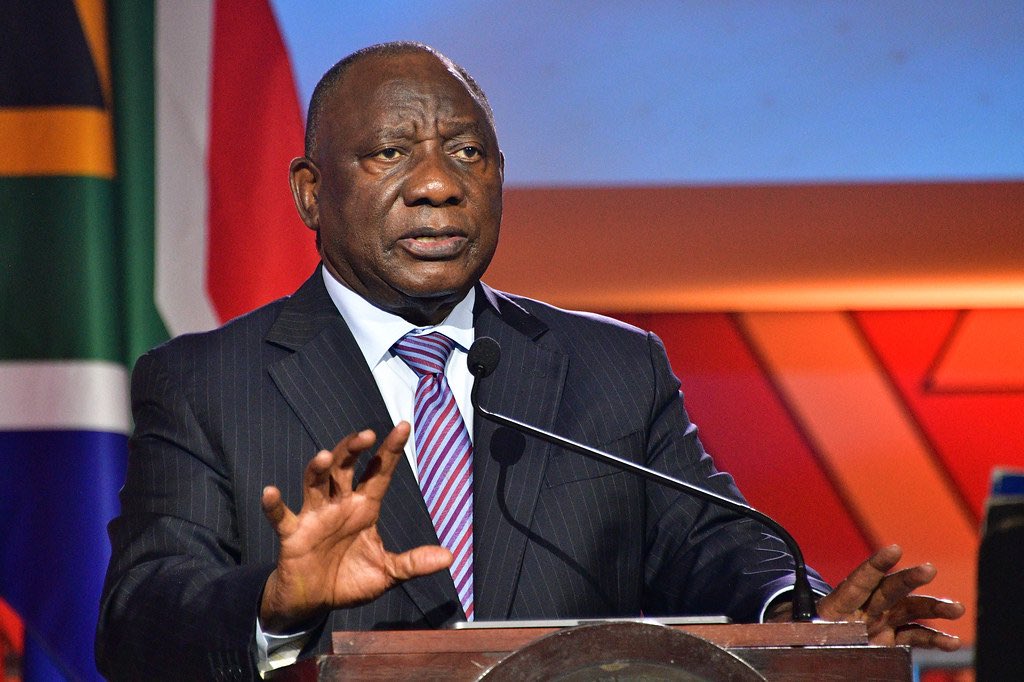
President Cyril Ramaphosa has welcomed the robust debate following his State of the Nation Address (SONA), noting that the wide-ranging contributions by Members of Parliament, whether critical or supportive, reflect the strength and resilience of South Africa’s constitutional democracy.
Speaking after responding to questions and proposals from MPs over two days of deliberations in Parliament this week, Ramaphosa said the engagement underscored the vibrancy of democratic discourse in the country. The SONA debate, which allows political parties represented in the National Assembly to outline their positions on the government’s programme of action, is regarded as a key feature of parliamentary oversight and accountability.
Ramaphosa said the level of participation demonstrates that South Africa is a nation of builders, committed to confronting its challenges head-on rather than turning away from them. He said the debate reflects a shared determination to improve the lives of the people, even where there are sharp differences on the path forward.
While acknowledging strong criticism from opposition benches on issues such as unemployment, service delivery, crime and the ongoing energy transition, the President maintained that there are clear signs of economic recovery. He pointed to stabilising electricity supply following reforms in the energy sector, progress in infrastructure investment, and efforts to attract both domestic and foreign direct investment through initiatives such as investment conferences and structural reforms under Operation Vulindlela.
South Africa’s economy has faced significant headwinds in recent years, including the impact of the COVID-19 pandemic, persistent load shedding and global economic volatility. However, the government has emphasised improvements in energy generation capacity, logistics reforms at ports and rail, and support measures aimed at small businesses and youth employment.
Ramaphosa reiterated government’s commitment to inclusive growth, job creation and tackling corruption, stressing that constructive debate, even when contentious, strengthens democratic institutions and helps refine policy direction.